AI Writing Tools Guide for YouTubers: 2026 Edition
Introduction
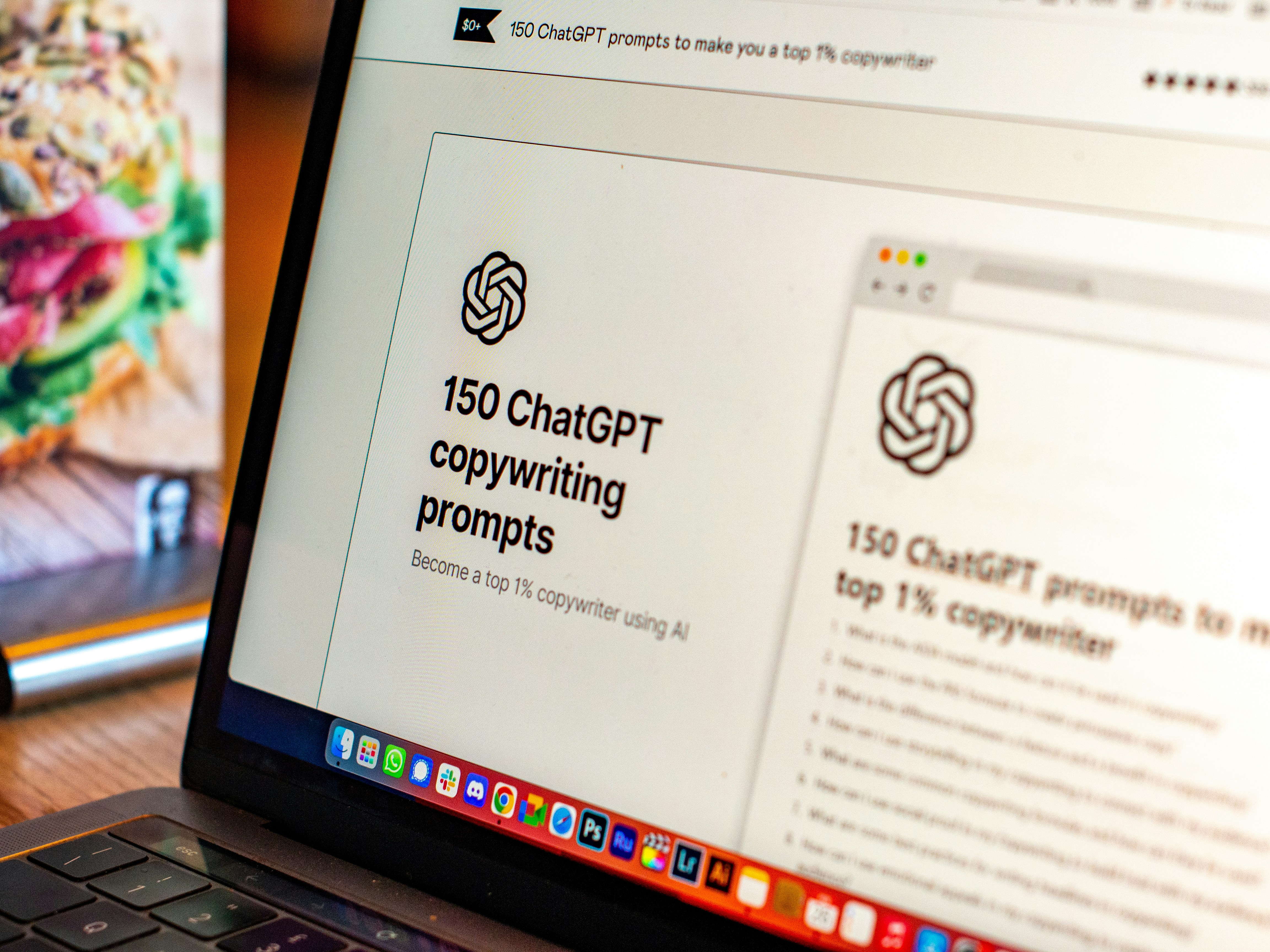
The blank page is the writer's greatest adversary. For decades, overcoming the initial friction of starting a draft was a purely manual, often agonizing process. Today, AI writing tools have fundamentally changed that dynamic, offering a collaborative partner that can generate ideas, structure arguments, and draft prose on command.
However, the rapid proliferation of these tools has created a new problem: overwhelm. With hundreds of AI writing assistants on the market, each claiming to revolutionize your workflow, it can be difficult to know which tools are actually useful and which are just hype.
This guide is designed to demystify the landscape of AI writing tools. We will categorize the different types of tools available, explain how to use them effectively for specific content tasks, and outline the best practices for ensuring your AI-assisted writing remains authentic and engaging.
Types of AI Writing Tools
Not all AI writing tools are created equal. They generally fall into three broad categories. The first are General Purpose LLMs, like ChatGPT or Claude. These are highly versatile conversational agents that can write code, draft essays, or brainstorm ideas based on open-ended prompts. They are powerful but require skill in "prompt engineering" to get specific, formatted results.
The second category is Specialized Copywriting Tools. These platforms are built on top of LLMs but feature structured templates designed for specific marketing tasks. They offer one-click generators for Facebook ads, product descriptions, or email subject lines. They are less flexible than general LLMs but much faster for routine marketing tasks.
The third category is Long-Form SEO Writers. These tools are specifically designed for bloggers and content marketers. They integrate keyword research, competitor analysis, and AI generation to help you write comprehensive, SEO-optimized articles that are designed to rank on search engines.
AI Title Generators
The title is the most critical component of any piece of content; if it doesn't capture attention, the rest of the writing doesn't matter. AI title generators are incredibly effective at brainstorming dozens of headline variations in seconds, utilizing proven copywriting formulas to maximize click-through rates.
When using a title generator, input your primary keyword and the core benefit of your article or video. The AI will return a mix of listicles, "how-to" formats, and curiosity-driven headlines. Don't just accept the first output; use the generated list as inspiration to combine elements and craft the perfect, punchy title.
Many advanced title generators also analyze the emotional sentiment of the headline, helping you strike the right balance between urgency, curiosity, and clarity without crossing the line into deceptive clickbait.
AI Description Generators
Writing meta descriptions for blogs or descriptions for YouTube videos is a tedious task that is often rushed at the end of the creation process. AI description generators excel at summarizing long-form content into concise, engaging paragraphs that include necessary keywords.
For YouTube specifically, AI tools can generate descriptions that include compelling hooks, structured summaries, and even suggested timestamp chapters. This not only saves time but ensures that your metadata is fully optimized for the platform's search algorithm.
Always review AI-generated descriptions to ensure they accurately reflect the content. A misleading description will cause users to bounce immediately, which severely harms your SEO and platform ranking.
AI Outline Generators
Structuring a piece of content is often harder than writing it. An AI outline generator acts as a structural architect. By providing a topic and a target audience, the AI can generate a logical flow of H2 and H3 headings, ensuring you cover all necessary subtopics comprehensively.
This is arguably the most powerful use case for AI in the writing process. By producing script outlines, a strong outline eliminates writer's block by breaking a massive writing task into small, manageable sections. It ensures your argument flows logically and prevents you from going off on tangents.
When the AI provides an outline, review it critically. Add sections based on your unique personal experience, and remove sections that feel generic or irrelevant to your specific angle. The AI provides the skeleton; you must decide how to flesh it out.
AI Keyword Tools
Modern AI writing assistants often integrate directly with SEO data. Instead of using a separate keyword research tool, these platforms can analyze top-ranking articles for your topic and suggest a list of primary and secondary keywords (LSI keywords) that you need to include to be competitive.
Some tools provide real-time scoring as you write, indicating your keyword density and suggesting where to naturally insert missing terms. This gamifies the SEO process and ensures your content is optimized before you even finish the first draft.
However, be cautious not to let the AI force you into "keyword stuffing." The readability and flow of the text must always take priority over hitting an arbitrary keyword score.
Best Practices
The golden rule of using AI writing tools is the "80/20 rule": let the AI do the 80% of the heavy lifting (research, outlining, drafting basic concepts), and reserve your energy for the 20% that matters most (editing, injecting voice, adding personal anecdotes, and refining the hook).
Master the art of prompting. The quality of the AI's output is directly proportional to the clarity and specificity of your input. Tell the AI exactly what tone to use (e.g., "professional but conversational"), who the target audience is, and what specific points must be included.
Always fact-check AI-generated content. LLMs are prone to "hallucinations"—confidently stating false information as fact. Never publish statistics, historical dates, or technical claims generated by AI without verifying them through reliable sources.
Limitations and Considerations
While powerful, AI writing tools have distinct limitations. They cannot generate truly original thought; they can only synthesize and remix existing information. They lack emotional intelligence, lived experience, and the ability to form genuine opinions.
If you rely entirely on AI to write your content from start to finish, your writing will sound generic, robotic, and devoid of personality. In a world increasingly flooded with AI content, human authenticity, unique perspectives, and strong personal branding are your only true competitive advantages.
Use AI as a co-pilot, not an autopilot. Let it handle the structure and the syntax, but ensure that the soul, the insights, and the final polish are unmistakably yours.
Conclusion
AI writing tools are indispensable assets for modern content creators. They eliminate the terror of the blank page, streamline the research process, and ensure that content is structurally sound and optimized for search engines.
By understanding the different types of tools available and applying them strategically to specific tasks—like generating titles, outlines, and descriptions—you can dramatically increase your output without sacrificing quality.
The future of writing is collaborative. The creators who thrive will be those who learn to harness the speed and efficiency of AI while fiercely protecting and elevating their unique human voice.