Best Free AI Tools for YouTubers in 2026
Introduction
The landscape of digital content creation is undergoing a seismic shift, driven by the rapid advancement of artificial intelligence. For creators, this isn't just a passing trend—it's a fundamental change in how we ideate, produce, and distribute our work. AI tools are no longer experimental novelties; they are essential instruments in a modern creator's toolkit.
Whether you are a solo YouTuber, a freelance writer, or part of a larger marketing team, the pressure to produce high-quality content consistently has never been higher. AI steps in as a tireless collaborator, helping to bridge the gap between ambitious content calendars and the reality of human bandwidth.
In this comprehensive guide, we will explore the best AI tools currently available for content creators. We will break down how these platforms can streamline your workflow, enhance your creative output, and ultimately give you more time to focus on the strategic aspects of your brand.
What Are AI Content Tools
At their core, AI content tools are software applications powered by machine learning models—specifically large language models (LLMs) and generative adversarial networks (GANs). These systems have been trained on vast amounts of data, allowing them to understand context, mimic human writing styles, and generate original text, images, or even video based on simple prompts.
The primary benefit of these tools is their ability to accelerate the initial phases of creation. Instead of staring at a blank page, a creator can use an AI tool to generate a structured outline, brainstorm a list of catchy titles, or draft a rough introductory paragraph. This eliminates the friction of starting and propels the creator directly into the editing and refinement phase.
Furthermore, AI tools excel at optimization. They can analyze search engine trends, suggest relevant keywords, and evaluate the readability of your text. This ensures that the content you produce isn't just creatively fulfilling, but also strategically positioned to reach the widest possible audience.
Top AI Tools for Different Content Types
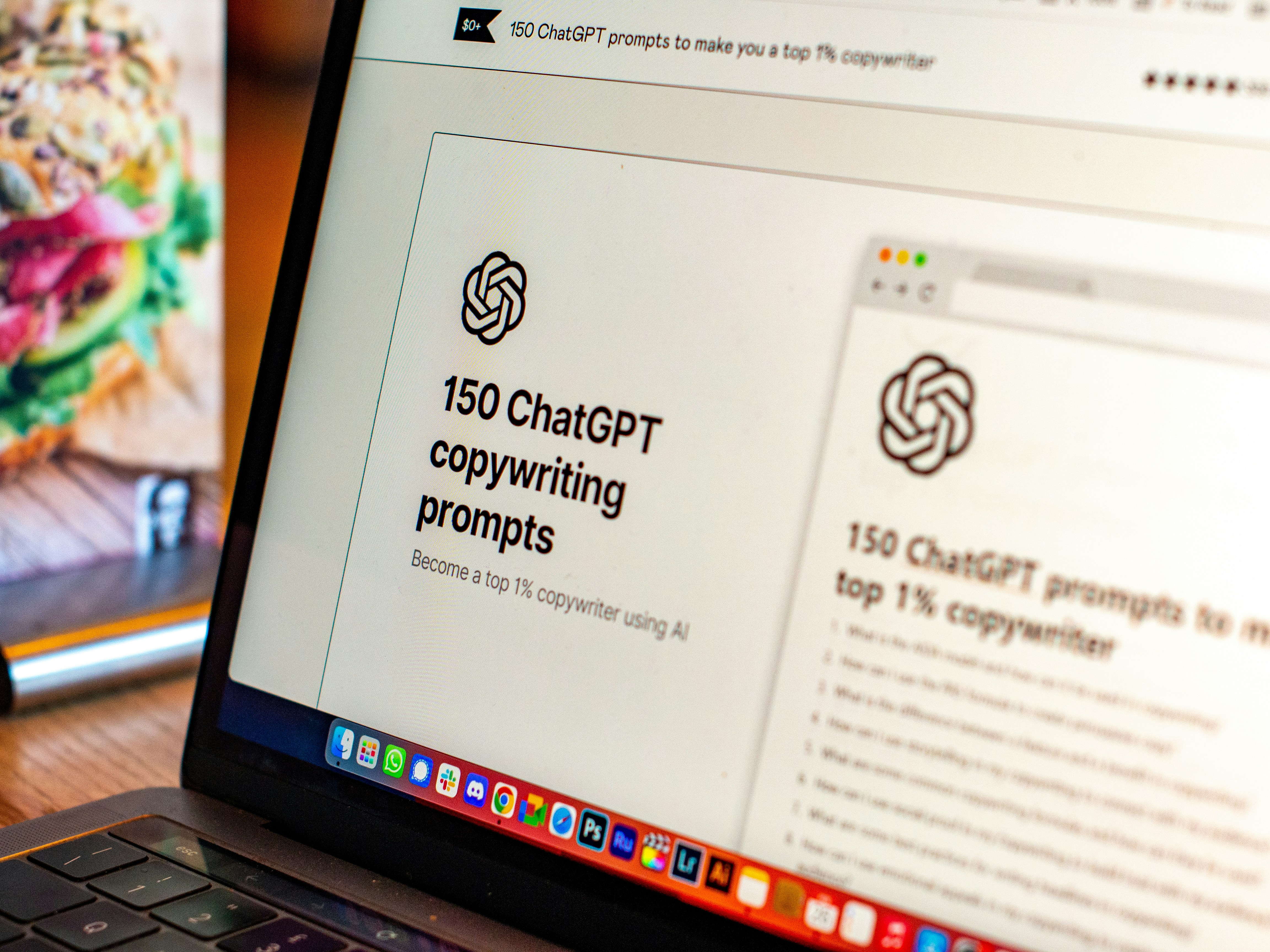
When it comes to written content, AI writing assistants have become incredibly sophisticated. Tools designed for long-form blog posts can maintain narrative consistency over thousands of words, while specialized generators focus on high-converting copy for social media ads or YouTube video descriptions. These platforms often include built-in SEO features, ensuring your text is primed for search engines from the very first draft.
For visual creators, AI image and video generators are breaking down technical barriers. You no longer need years of graphic design experience to create compelling thumbnails or social media graphics. By simply describing the visual you want, these tools can produce stunning, high-resolution images in seconds. Similarly, AI video editors can automatically cut out silences, add captions, and even suggest B-roll footage.
Audio is another frontier being transformed by AI. Podcasters and video creators can utilize AI-driven noise reduction tools to achieve studio-quality sound without expensive equipment. Additionally, AI voice generators have reached a level of realism where they can be used for voiceovers, audiobooks, and accessibility features, offering a diverse range of tones and accents.
How to Choose the Right AI Tool
With the market flooded with AI solutions, selecting the right tool requires a strategic approach. The first step is to identify the specific bottlenecks in your current workflow. If you struggle with ideation, a brainstorming and outlining tool should be your priority. If editing and formatting consume most of your time, look for an AI assistant that excels at grammar, tone adjustment, and structural refinement.
Consider the learning curve and integration capabilities of the tool. The best AI platforms seamlessly blend into your existing processes, offering browser extensions or integrations with popular content management systems. A tool that requires you to constantly switch between applications might end up costing you more time than it saves.
Finally, evaluate the pricing structure and the quality of the output. Many tools offer free trials or tiered pricing based on usage. Take advantage of these trials to test the AI with your specific niche and brand voice. The goal is to find a tool that requires minimal prompting to produce content that aligns with your unique style.
Integrating AI Into Your Workflow
Successful integration of AI into your workflow requires a shift in mindset: view the AI as an assistant, not a replacement. Start by using AI for the heavy lifting of research and outlining. Let the tool gather data points, suggest headings, and create a skeletal structure for your piece. This provides a solid foundation upon which you can build your narrative.
During the drafting phase, use AI to overcome writer's block or to generate alternative phrasing for clunky sentences. However, it is crucial to inject your own voice, personal anecdotes, and unique perspectives into the text. AI can provide the information, but you must provide the insight and the human connection that audiences crave.
The final review should always be a manual process. AI can occasionally produce factual inaccuracies or repetitive phrasing. Take the time to fact-check, refine the tone, and ensure the content flows naturally. By combining the speed of AI with the critical eye of a human editor, you can achieve a level of quality and efficiency that was previously impossible.
Conclusion
The integration of AI tools into the content creation process is no longer a futuristic concept; it is the current reality for successful digital creators. By embracing these technologies, you can overcome creative blocks, scale your production, and ensure your content is optimized for maximum reach.
However, it is important to remember that AI is a tool, not a substitute for human creativity and authenticity. The most successful creators will be those who learn to collaborate with AI, using it to handle repetitive tasks while reserving their energy for the strategic and emotional elements of their work.
As AI technology continues to evolve, the possibilities for content creation will only expand. By staying informed about the latest tools and continuously refining your workflow, you can position yourself at the forefront of this exciting new era in digital media.